

How To Watch Spirit Halloween Movie
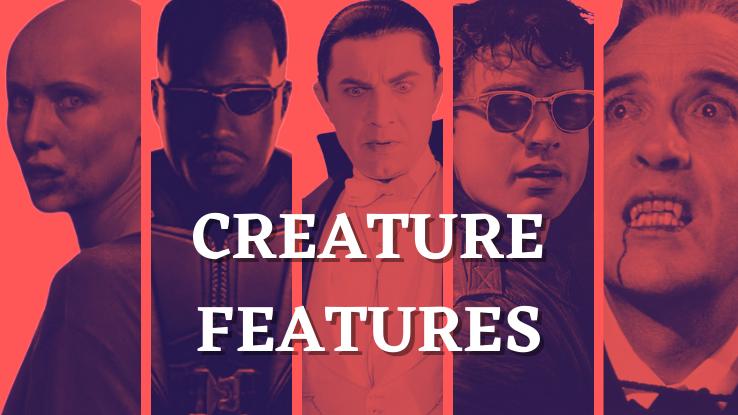
All sorts of things become bump in the night. Ghosts, ghouls, werewolves, witches — creatures that haunt our nightmares and ignite our imaginations. Then, there are vampires. These denizens of the dark concur a special place in human history; our ancestors were genuinely afraid to travel when the lord's day was down, lest vampires bleed them dry out. Entire communities feared bats and wolves, believing them to exist bloodsuckers in disguise. Vampire hunting became a legitimate profession in 18th century Europe. Nosotros actually tin can't overstate how much these monsters have messed with our minds over the years.
Maybe that's why vampires have experienced so much success on the large screen. Vampires have frightened and excited audiences for decades — changing with the times and reflecting some of our darkest desires. As much every bit we dread these creatures of the night, there'southward a pocket-sized role of us that's utterly fascinated with them.
Spooky season is in full swing this year, and many of us will participate in the festivities at home. Looking for a way to liven upwardly the night? Here are eight iconic vampire movies to watch this Halloween.
Nosferatu (1922)
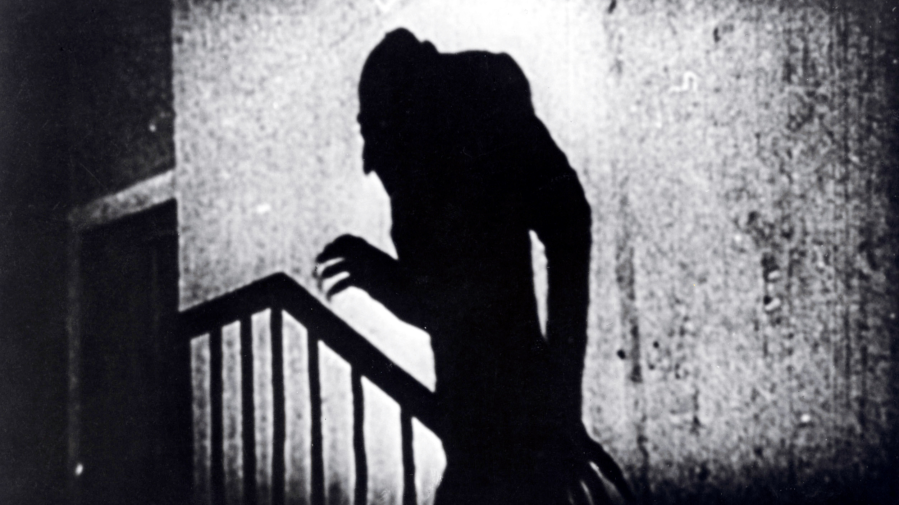
Nosferatu: A Symphony of Horror (or Nosferatu, eine Symphonie des Grauens in German) is a staple of the horror genre. This German Expressionist masterpiece was helmed by managing director F. Westward. Murnau and stars Max Schreck as the infamous Count Orlok.
Special furnishings and robust film sets weren't exactly a thing in the early on 20th century. Murnau instead relied on mind-bending photographic camera angles, striking shadows and innovative set up pattern to scare audiences. This film's touch on on the history of picture palace can't be exaggerated — many horror film franchises likely wouldn't exist if Nosferatuhadn't crept onto the scene and paved the way.
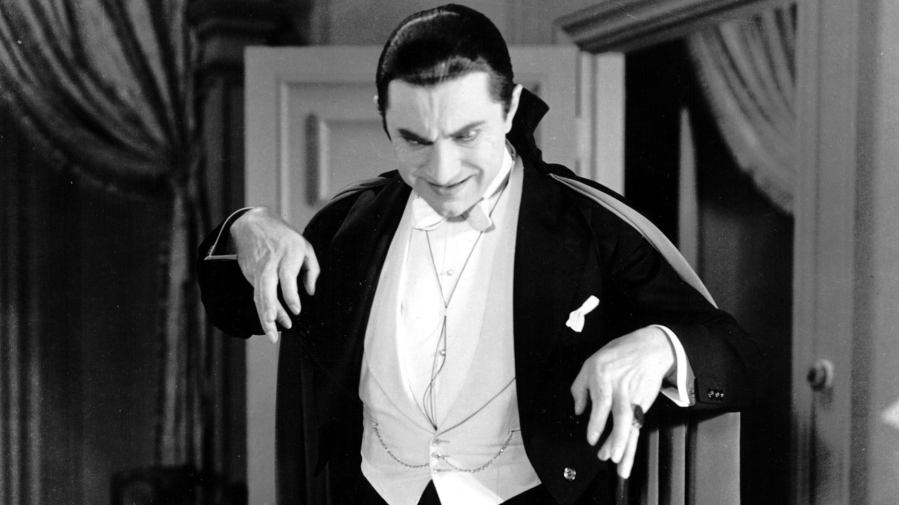
Nosferatu'south popularity spread across Europe like wildfire. It didn't take long for American filmmakers to take hold of wind of F.W. Murnau'southward success either. Merely here's the matter: Nosferatu was essentially an accommodation of Bram Stoker's Dracula— one that Murnau filmed without permission. Stoker'south married woman successfully sued Murnau and Nosferatuwas pulled from theaters. Enter Universal Pictures, which paid approximately $xl,000 for the rights to adjust Dracula. Garrett Fort penned the script while Tod Browning took the managing director's chair. Bela Lugosi was bandage equally the titular prince of darkness, and the residue is cinematic history.
Draculais a genuinely terrifying landmark picture. When many people call back of Count Dracula, they think most Lugosi's chilling functioning. Universal's adaptation takes plenty of inspiration from Nosferatu. However, Dracula is not a silent movie; characters evangelize their lines either with palpable dread or devilish please. "Talkies" had only recently hit theaters in the early 1900s. Dracula helped legitimize sound films and reshape the movie industry.
Dracula/The Horror of Dracula (1958)
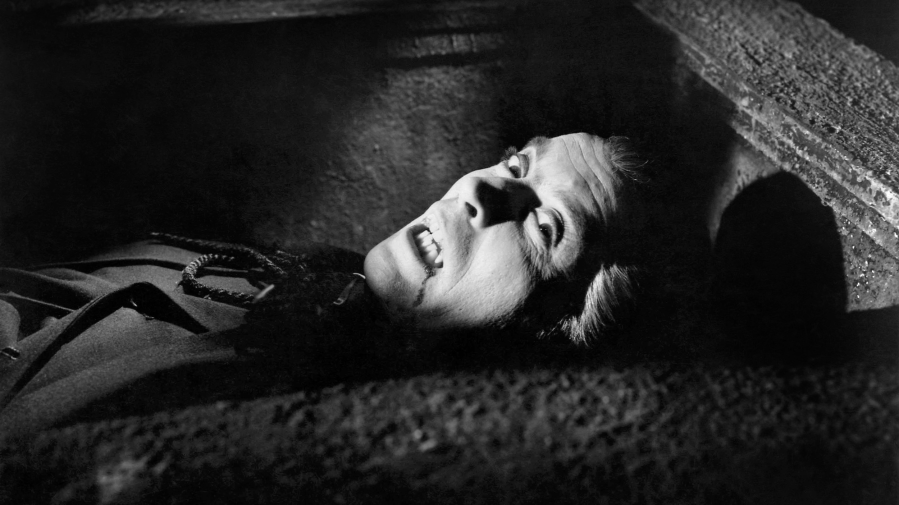
Similar to sound films, Technicolor movies were besides relative rarities in the early 20th century. Films were primarily shot on black and white stock, and filmgoers were accustomed to greyscale pictures. The opposite was true by the 1950s, which is when The Horror of Dracula hit the scene. Hammer Films spared no expense when it adapted Bram Stoker's timeless tale; special effects and ornate gothic sets were specifically created for this picture show. The Horror of Draculais too a much more than visceral visual experience due to being shot in color.
We'd be remiss not to praise Christopher Lee's functioning every bit Count Dracula; he aimed to play the character equally a "heroic, erotic and romantic" effigy — 1 that was but as mystifying as he was terrifying. Lee's good friend Peter Cushing starred as Md Van Helsing, further elevating the film. And The Horror of Dracula revealed something truly harrowing virtually vampires: they were dark reflections of homo nature.
Blacula (1972)
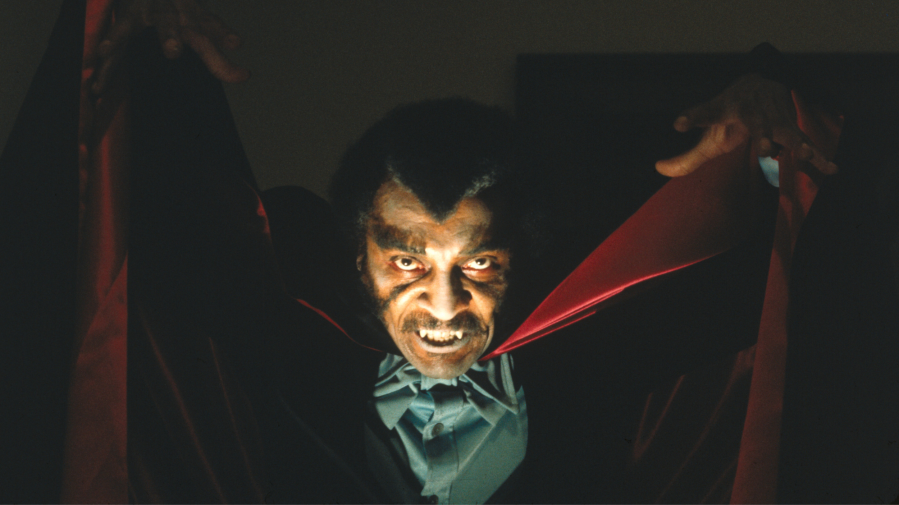
The United States' counterculture movement gathered momentum in the 1960s and persisted well into the 1970s. People vocalized dissatisfaction with the government, civil rights initiatives swept the nation and artists used their platforms to critique the powers that be. The Blaxploitation films of the 1970s echoed these sentiments, challenging decades-old stereotypes that were (and however are) imposed on the Black community. Blaculais precisely what its proper noun implies; an adaptation of Stoker's tale made primarily for Blackness people by Black people.
The late William Marshall portrays Prince Mamuwalde, a Nigerian human who asked the original Count Dracula (Charles Macaulay) to intervene during the transatlantic slave merchandise. For his trouble, Prince Mamuwalde was transformed into Blacula, sealed in a coffin and transported to America. Indeed, Count Blacula is a tragic anti-villain; he was stripped of his identity, taken from his homeland and left to fend for himself in a hostile surroundings. Allegorical, innovative and genuinely frightening, Blacula is worth a watch — and post-screening analysis.
The Lost Boys (1987)
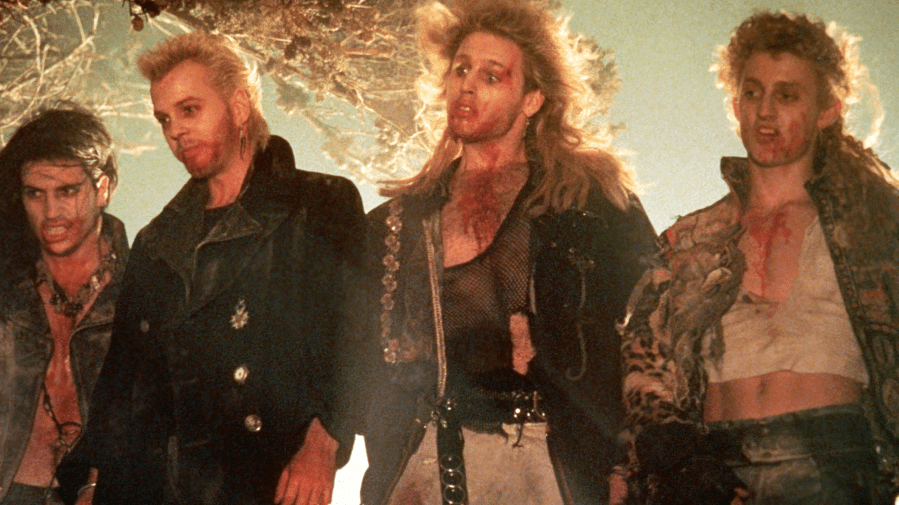
Drugs, sex, rock n' roll and backlog are hallmarks of the 1980s — hallmarks that naturally institute their manner into '80s cinema. The Lost Boys epitomizes this trend; "It's fun to be a vampire" is the film's tagline, and that sentiment is more than reinforced throughout its runtime. Vampires are ageless, powerful, beautiful beings who live past their own rules and party like rockstars in The Lost Boys. That's the scariest part about this motion picture — how enticing vampirism tin seem on the surface.
The Lost Boys can likewise exist viewed as a metacommentary of the 1980s. Vampirism is an analogy for the excess and hedonism of the decade. Just similar it seemed "fun to exist a vampire," it too seemed fun to exist a hard-partying rockstar. Spellbinding performances by a committed cast, stiff directing past Joel Schumacher and a compelling script helped The Lost Boys break new ground. Vampires weren't simply creepy anymore. They were also undeniably absurd.
Blade (1998)
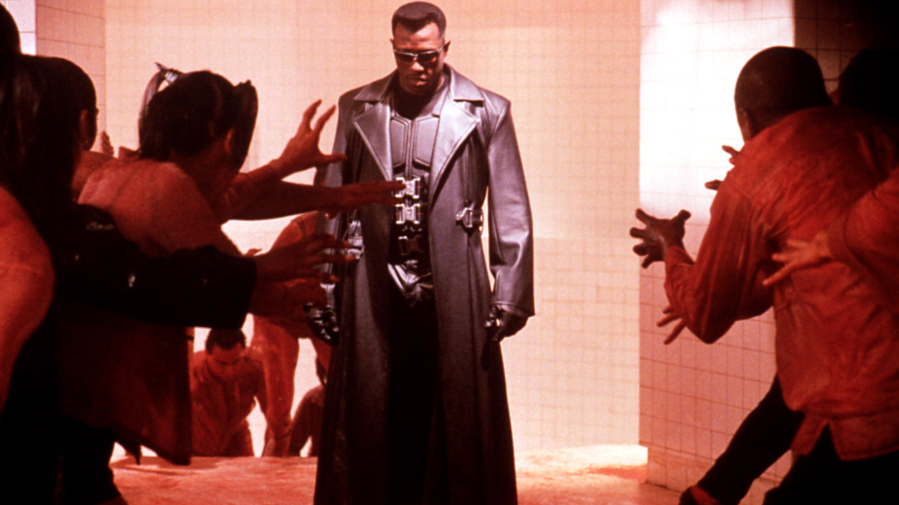
You lot tin't talk about cool vampire movies without giving Bladeits due. The 1990s were an incredibly experimental time for the film manufacture; spec scripts were being produced past the dozens and comic book adaptations were becoming much more prevalent. Marv Wolfman and Factor Colan created Bract in 1973 for Curiosity Comics. At last, in 1998, Wesley Snipes would bring the Daywalker to life on the big screen. Directed by Stephen Norrington and written past David S. Goyer, Blade redefined what superhero movies and vampire films could be. Action, horror, pathos and even a bit of one-act are seamlessly woven into this picture show.
Though Bract was initially disregarded when it premiered, the film has since been recognized for setting several precedents. It's one of the first Black superhero movies to achieve widespread critical and commercial success, grossing $131.ii million off of a $45 million budget. Bladeas well paved the way for many of the superhero films that have become commonplace today; information technology's not a stretch to advise that Sam Raimi's Spider-Man trilogy, the Underworld franchise and even the Curiosity Cinematic Universe wouldn't exist if Bracthadn't resonated with audiences. Lastly, this moving-picture show proved that vampires could transcend genres; Bladeis more of an action film than a horror flick, and we wouldn't accept it whatsoever other way.
Twilight (2008)
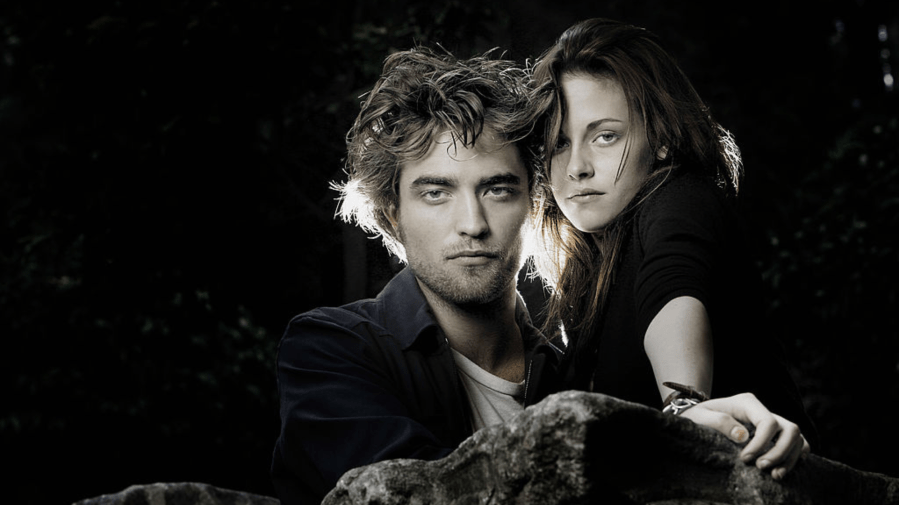
Hate it or love information technology, Twilight'sbear on on cinema is undeniable. This adaptation of Stephanie Meyer's 2005 novel was an international phenomenon in its heyday. Information technology focused solely on the romantic aspects of vampirism — living forever, being immature forever and loving forever. If reading that sentence was painful for you, imagine how excruciating information technology was to write.
Personal feelings aside, Twilight is an iconic film in its own correct. It spawned four sequels, launched numerous careers and kept vampires at the forefront of our collective imagination from 2008 to 2012. Fifty-fifty Burger King got in on the Team Edward vs. Team Jacob debacle. Twilightultimately proved that there was still a thriving, thirsting market for vampire films in the 21st century.
Blood Red Heaven (2021)
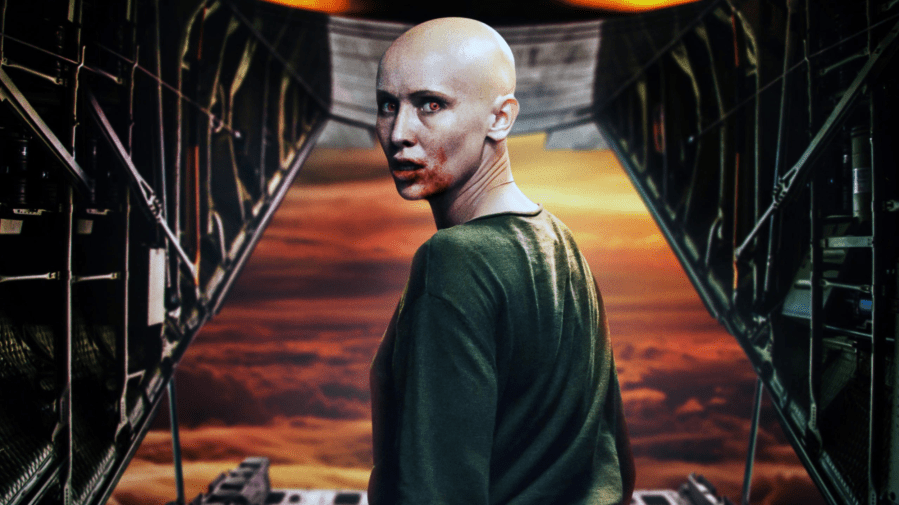
We end with Blood Red Sky, a British-German Netflix movie that's equal parts graphic, terrifying and heart-wrenching. The picture follows Nadja and her son Elias as they try to survive aboard a hijacked airplane. Discussing this film in detail without spoiling information technology is virtually impossible, but we can say this: Blood Cherry-red Skyfocuses on the toll that vampirism would verbal on a person'south family, community and mental country. Scenes unfold at an intentionally deliberate stride. Minor characters and extras are treated with a degree of respect that we don't often see.
In many ways, Blood Scarlet Sky is the culmination of the vampire films that precede it; there are genuine scares hither, alongside meta-commentary, dazzling activeness scenes and 18-carat pathos. Blood Red Sky proves that vampire films can make viewers cry — not out of fearfulness, but out of true remorse.
Source: https://www.ask.com/tv-movies/iconic-vampire-movies?utm_content=params%3Ao%3D740004%26ad%3DdirN%26qo%3DserpIndex&ueid=f3f2667e-113e-4658-ba49-784626b701af
0 Response to "How To Watch Spirit Halloween Movie"
Post a Comment